 rotary jointsrotary joints
Search the whole station
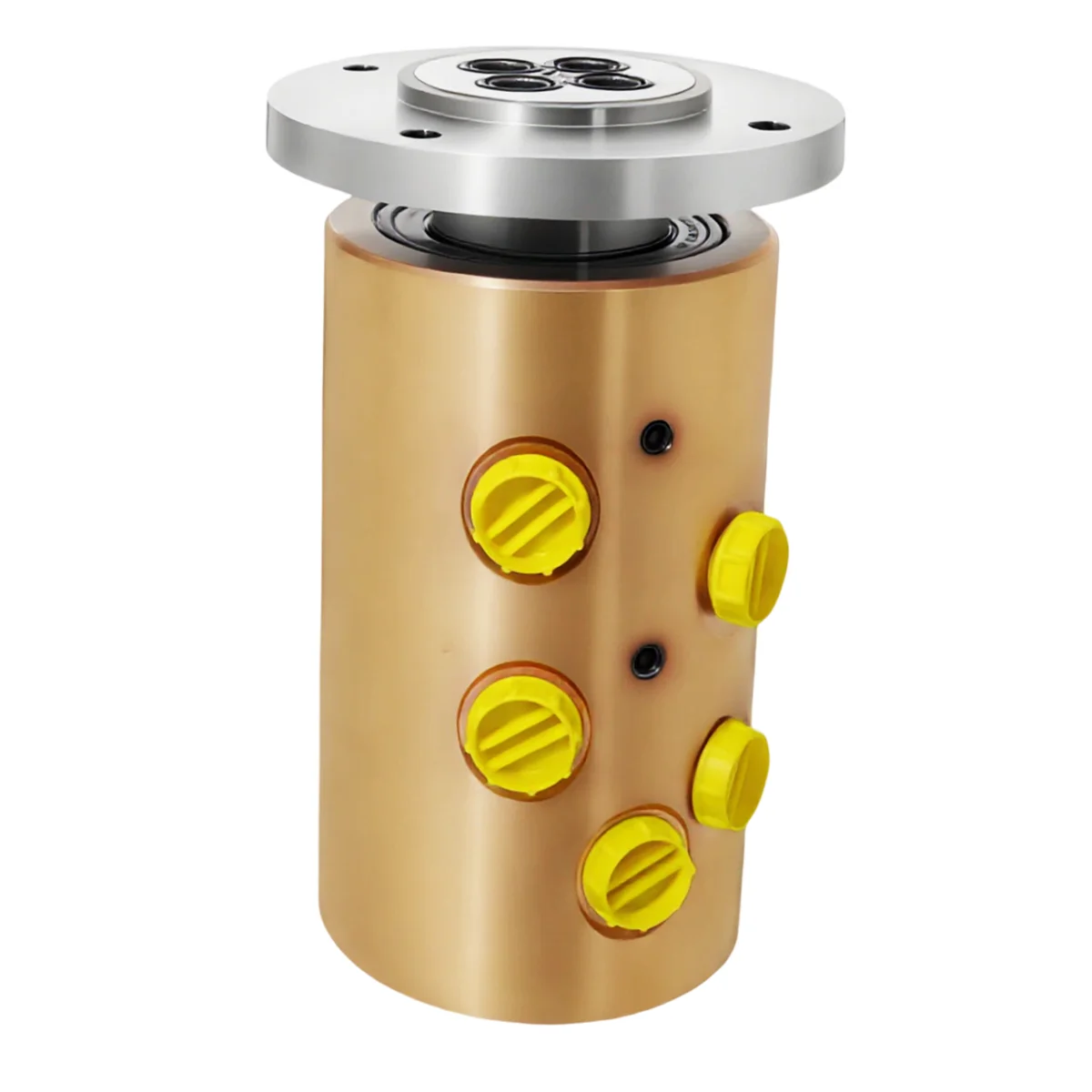
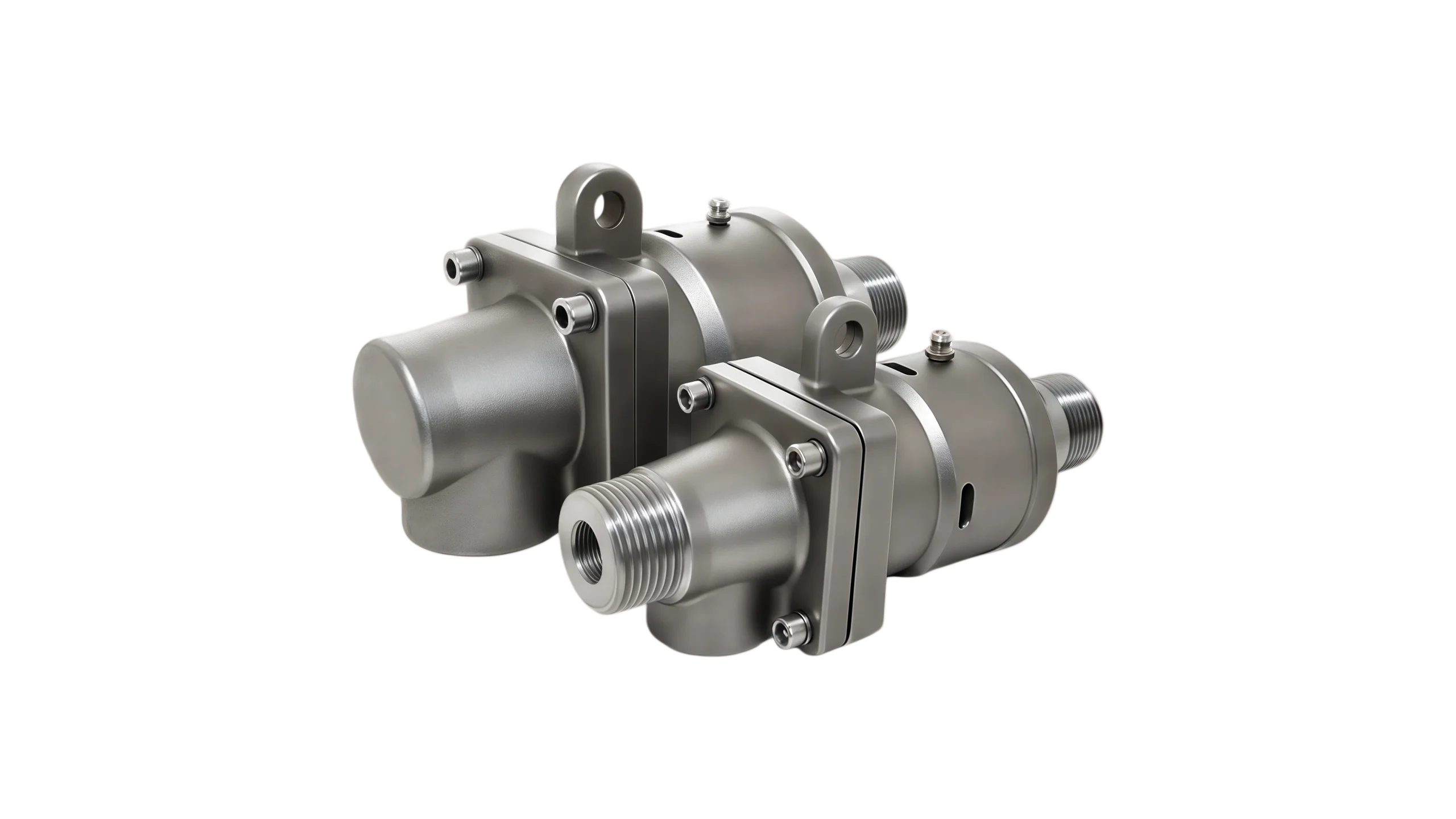
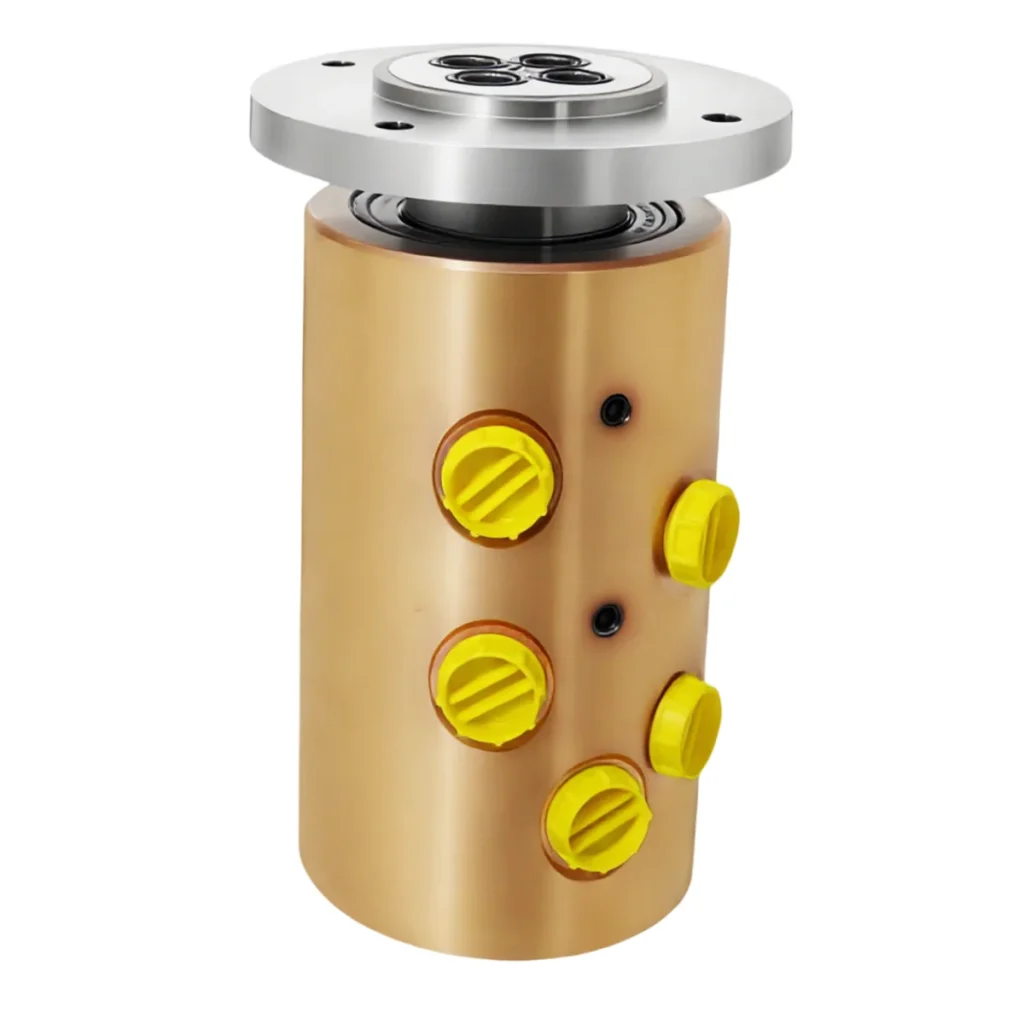
The 1379 rotary joint is a four channel multi-media rotary joint designed for scenarios such as machine tool clamping/loosening, tool sensing, and spindle cooling. Its core feature is the installation of a leakage discharge port between channels 2 and 3 to prevent cross contamination of different media.
Fluid transfer in industrial settings requires exceptionally reliable hardware. The 1379 swivel union stands out as a robust, high-performance solution for engineers looking to maintain steady flow between stationary supply pipes and moving equipment parts. Whether you are managing coolant delivery for rotating machinery or designing heavy-duty manufacturing setups, choosing the right swivel joint fitting is crucial to maximizing operational uptime.
What makes the 1379 series so dependable? At its core, it relies on precision machined rotating components that ensure minimal friction, structural integrity, and maximum longevity. Depending on your system’s exact needs, this versatile component can often be utilized in a dual flow rotating union configuration, allowing for the simultaneous supply and return of media through a single rotating axis.
When specifying a joint for your machinery, always verify the rotary union pressure ratings to ensure the unit can safely handle your system’s maximum load. Furthermore, taking advantage of balanced seal technology benefits is highly recommended. Balanced seals actively reduce seal face wear by equalizing internal pressures, which drastically extends the lifespan of the unit—especially when deployed in demanding high temperature fluid transfer systems.
The longevity of your union heavily depends on its internal materials. When comparing carbon vs tungsten carbide faces, the right choice dictates overall performance:
Knowing exactly how to install hydraulic swivel joints prevents early breakdowns and costly leaks. One critical step before assembly is identifying your thread types correctly. Confusing NPT vs BSPP hydraulic connections is a frequent mistake that leads to cross-threading, compromised seals, and safety hazards. Always double-check your thread pitches and use the appropriate sealants or O-rings required by the specific standard.
Even the highest quality 1379 swivel union requires ongoing upkeep. Maintaining high speed swivel connectors involves routine visual inspections and vibration monitoring. If performance drops, it helps to know the common causes of swivel joint failure, which typically include pipe misalignment, dry running, or particulate contamination in the fluid line.
Here are a few actionable maintenance tips for your facility:
Integrating a well-maintained 1379 swivel union into your equipment guarantees smoother operations, better fluid control, and significantly fewer maintenance headaches. If you are looking to upgrade or replace an older, failing component from a different brand, always consult a reliable rotary union cross reference guide to ensure absolute dimensional and functional compatibility with your existing pipework. By prioritizing precise installation and proactive care, your rotating fluid systems will operate safely and efficiently for years to come.
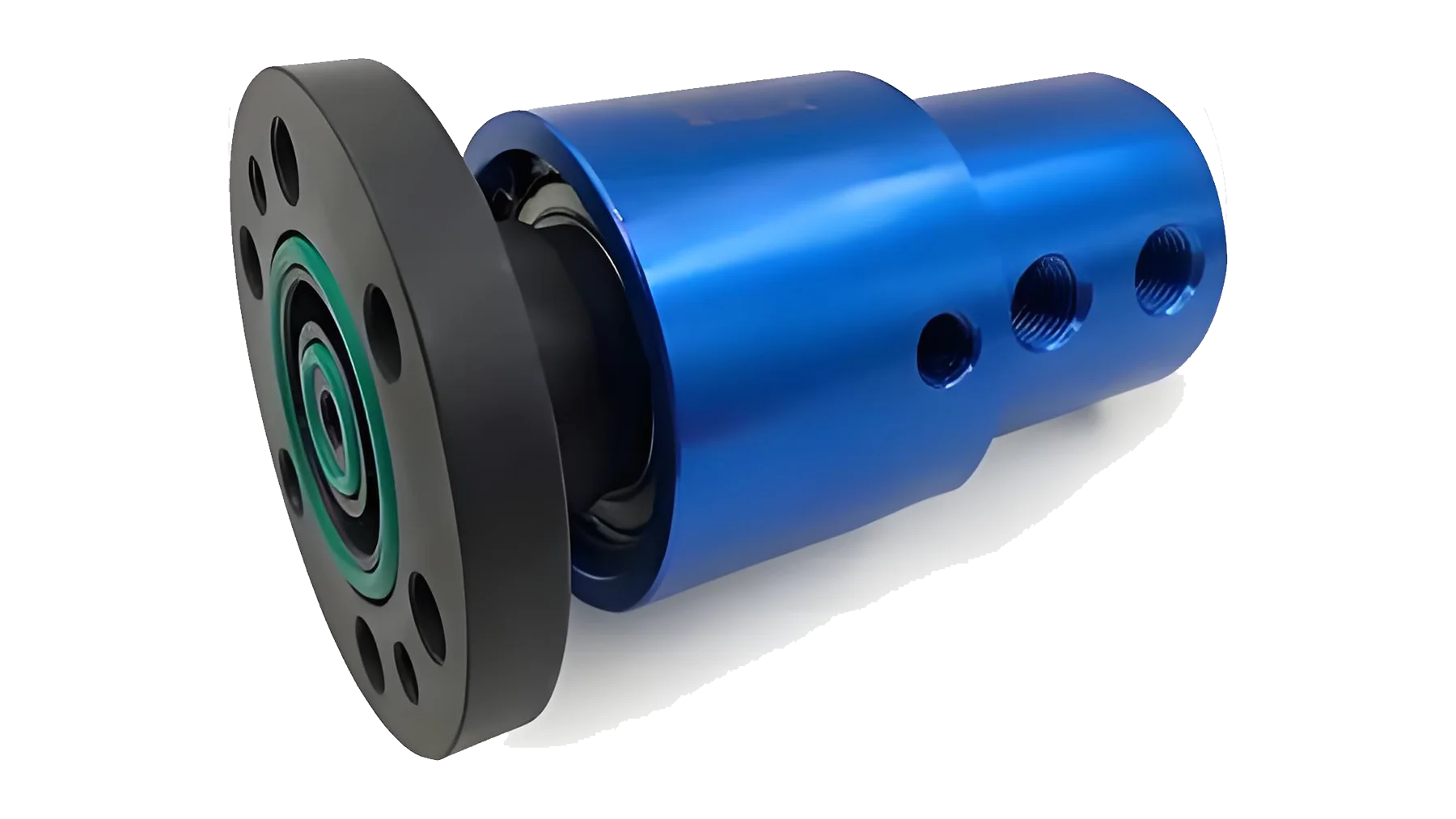
A rotary joint is a sealing device that connects stationary pipelines and rotating equipment, achieving leak free fluid transmission under 360 ° rotation. It allows fluid media to flow smoothly between fixed pipelines and rotating machines, and is a key component in industrial equipment
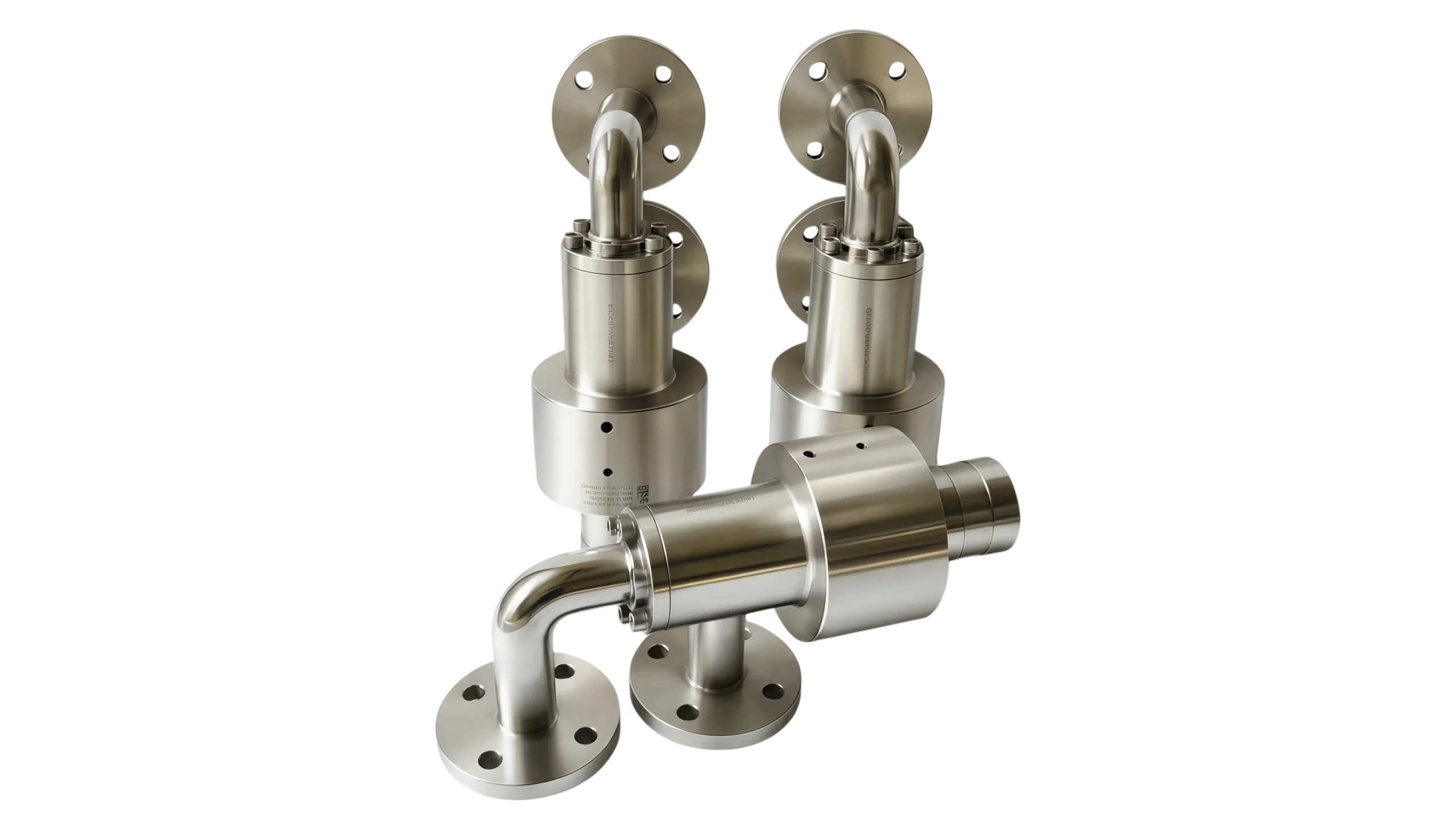
F90 swivel unions Transporting equipment components from a fixed pipeline system to high-speed rotating or reciprocating motion
Q32 swivel unions
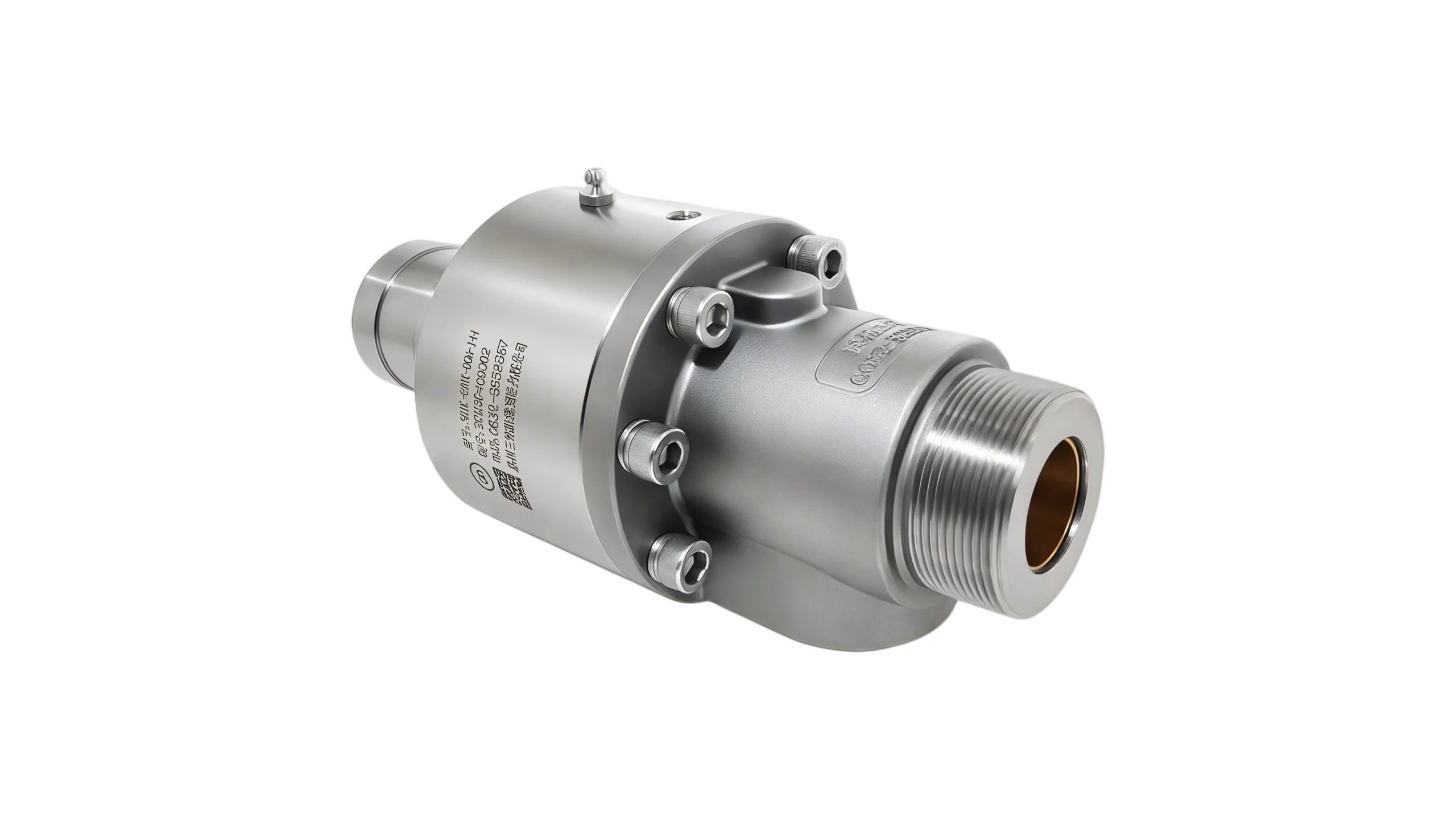
JD40 rotary joint is a key sealing component in industrial fluid transmission systems, usually referring to a rotary connection device with a diameter of DN40 (or corresponding British caliber). As a transitional sealing device that transports fluid media (such as water, steam, hydraulic oil, thermal oil, compressed air, etc.) from static pipelines to dynamic rotating or swinging equipment